Your Comprehensive Guide to AI Translation Services and Tools
The realm of AI translation solutions is swiftly developing, providing both businesses and travelers a multitude of options. Choosing the right tool demands careful consideration of features such as accuracy and language support. Nonetheless, understanding how these tools function and their limitations is just as important. As technology progresses further, the role of human expertise in translation remains essential. This interplay presents significant questions about the future of communication across cultures.
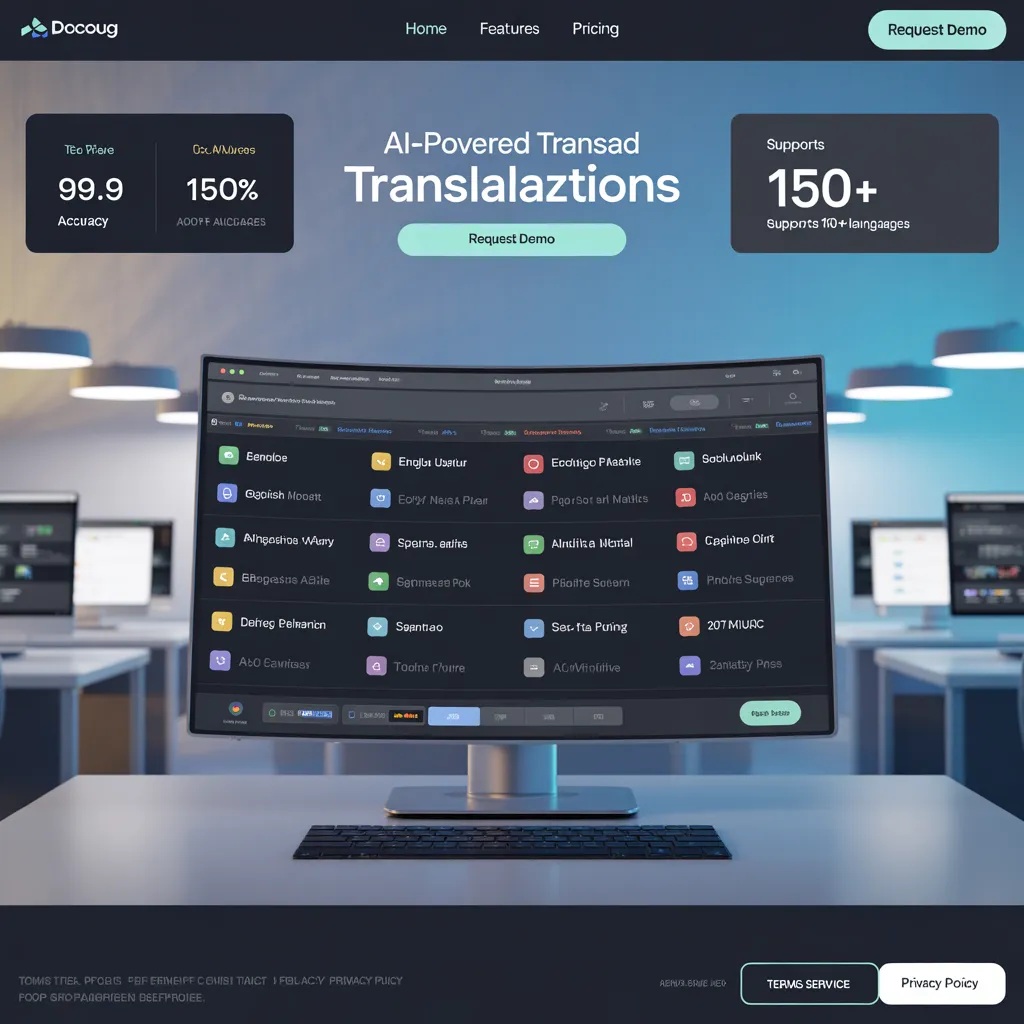
How AI-Powered Translation Tools Operate
Machine translation tools harness advanced algorithms and massive datasets to convert written content across different languages. These platforms chiefly use neural networks, notably deep learning models, that study and acquire knowledge from comprehensive bilingual corpora. By recognizing patterns and contextual nuances in language, these systems improve their accuracy over time.
Furthermore, AI translation tools frequently integrate approaches such as machine learning, which permits them to adapt in response to user interactions and feedback. This constant learning process boosts their capacity to handle idiomatic expressions, cultural references, and specialized terminology.
Moreover, the majority of AI translation tools utilize a process known as tokenization, splitting text into bite-sized pieces for exact translation. Review by human translators is occasionally included to refine the output, guaranteeing that the final text aligns with the intended meaning. This synergy of technology and human expertise facilitates more dependable translations across various languages and contexts.
Choosing the Right AI Translation Tool for Your Business
Upon selecting an AI translation tool for a business, it is essential to assess specific translation requirements first. Once completed, analyzing the key features presented by different tools will help identify the best fit. Ultimately, examining costs and budget constraints secures that the chosen solution is both effective and financially viable.
Determine Your Translation Needs
What methods enable organizations to properly assess their translation necessities in today's quickly changing digital world? Initially, they should identify their target audience and the languages used by potential customers. Understanding the cultural and contextual nuances of these languages is essential for accurate communication. Following this, businesses should examine the types of content requiring translation, such as marketing materials, technical documentation, or customer support interactions. Furthermore, analyzing the volume of content and frequency of updates will help in selecting an appropriate tool. In conclusion, organizations should consider their budget and timeline, as these factors will affect the choice of AI translation tools. By thoroughly analyzing these elements, businesses can make informed decisions that align with their translation objectives and overall strategy.
Assess Essential Functionalities Provided
Picking the right AI translation tool demands a careful comparison of key features that align with business needs. Essential features to evaluate include language support, accuracy, and translation speed. Businesses should determine whether the tool can handle specific terminology or industry-specific jargon, which is vital for maintaining context and meaning. Furthermore, integration capabilities with existing workflows and platforms can boost efficiency, making it easier to manage translations. User-friendliness is another significant aspect, as a tool should be accessible to team members with varying technical skills. Finally, features like real-time collaboration, feedback mechanisms, and machine learning capabilities can significantly enhance the translation process. By assessing these key features, businesses can make informed decisions customized to their specific requirements.
Analyze Budget and Expenses
While evaluating AI translation tools, businesses must evaluate cost and budget as key considerations that can significantly influence their decision-making process. Different solutions present varying pricing models, including monthly subscriptions, pay-per-use, or one-time purchases, which can impact overall expenditures. It is crucial for organizations to evaluate not just the initial costs, but also anticipated long-term expenses tied to maintenance and updates. Additionally, understanding the scope of features available in relation to cost is crucial; more affordable tools may lack necessary capabilities, while premium options may offer advanced features that justify their price. Finally, aligning the chosen tool's cost with the company's specific translation needs and budget constraints will ensure effective financial planning and resource allocation.
Important Factors for AI Translation Services for Those Traveling
In selecting AI translation solutions for travelers, numerous key factors emerge. Precision and contextual relevance are essential for effective communication in varied situations, while offline accessibility features supply essential support in locations without internet connectivity. Furthermore, a variety of language support confirms that travelers can navigate various regions with ease.
Correctness and Contextual Appropriateness
Correctness and contextual appropriateness are vital components for travelers relying on AI translation services, as incorrect translations can cause misunderstandings or cultural faux pas. Travelers often face nuanced phrases, idioms, and local slang that require a comprehensive understanding of context beyond simple word-for-word translation. High-quality AI translation tools must integrate cultural considerations and idiomatic expressions to ensure messages are communicated appropriately. Additionally, specific contexts, such as dining, shopping, or emergency situations, necessitate precise language suited to those scenarios. A translation that misses the subtleties of context can not only confuse the traveler but also potentially offend local customs. As a result, choosing AI translation services that prioritize accuracy and contextual relevance is vital for a smooth travel experience.
Offline Functionality Options
Modern travelers look for AI translation services that deliver offline accessibility options, as connectivity can be unreliable or lacking in particular locations. These tools allow users to download language packs or databases directly to their devices, facilitating seamless translation without needing an internet connection. This capability is critically vital when visiting remote areas or countries with limited data access. Moreover, offline functionality strengthens the overall user experience by ensuring instant translations, decreasing wait times that can occur when depending on online services. As travelers navigate diverse environments, the ability to communicate effectively without constant connectivity becomes an essential tool, making offline accessibility a key consideration for anyone investing in AI translation services.
Diverse Language Support
Diverse language support is essential for AI translation services serving travelers, as it directly impacts communication and cultural exchange. Travelers often encounter a wide array of languages, dialects, and regional variations, making broad language support crucial. Services that supply translation across prevalent languages, as well as less prevalent dialects, assure travelers can interact effectively with locals. In addition, the capacity to translate languages in real-time elevates the travel experience, decreasing language barriers and encouraging connections. Beyond this, services that continuously update their language databases can respond to evolving linguistic trends, assuring relevance and accuracy. Finally, the breadth of language support can greatly enhance a traveler's ability to explore foreign environments with confidence and deepen their cultural experiences.
How to Determine the Reliability of AI Translation Tools?
How does one assess the effectiveness of AI translation tools? Measuring the accuracy of these platforms involves several key components. Initially, users should assess the context in which the translations are utilized, as nuances in language can greatly affect meaning. Matching translations against human-generated counterparts can provide information into the solution's reliability. Additionally, users may consider the system's performance across different languages and dialects, as some may succeed in specific linguistic pairs but underperform in others.
Additionally, evaluating the tool with multiple types of content—technical, literary, or conversational—can demonstrate its strengths and weaknesses. Commentary from native speakers can also serve as an invaluable resource for gauging translation quality. Ultimately, analyzing user reviews and expert analyses can help shape expectations regarding the tool's overall effectiveness. By methodically evaluating these aspects, users can make informed decisions about the AI translation tools they choose to employ.
Useful Techniques for Integrating AI Translation In Your Workflow
Implementing AI translation into existing workflows can improve efficiency and strengthen communication across language barriers. To effectively integrate these tools, organizations should start by identifying specific use cases where translation is necessary, such find this resource as customer support or content localization. Establishing clear guidelines on when and how to use AI translation ensures that team members remain consistent.
Teaching team members regarding the features and limitations of AI translation tools is vital, as it empowers users to make informed decisions. Furthermore, integrating these tools with existing software can enhance operations, allowing for effortless data migration and decreasing manual entry.
Routinely examining and refreshing translation glossaries improves accuracy and maintains brand voice across languages. Finally, collecting feedback from end-users can assist in refining the implementation, ensuring the tools meet the evolving needs of the organization. By adhering to these practical tips, organizations can optimize the benefits of AI translation in their workflows.
How Cultural Context Affects AI Translations
While AI translation tools provide impressive capabilities, their effectiveness often relies on the context and cultural nuances encompassing the source material. Language is inherently tied to culture, and phrases or idioms can carry meanings that are deeply rooted in societal values and experiences. For instance, a direct translation may overlook the emotional undertones or humor embedded in the original text, causing misinterpretations.
Additionally, cultural references, including local customs or historical events, may not translate well, calling for human insight to communicate the intended message precisely. AI tools may have difficulty with polysemy—copyright that have multiple meanings depending on context—likely producing inappropriate translations.
Consequently, while AI can streamline the translation process, recognizing the cultural and contextual layers remains crucial for achieving superior, meaningful translations. Merging technology with human expertise can improve the overall effectiveness of AI translations in multiple linguistic landscapes.
Upcoming Innovations in AI Translation Technology: What to Anticipate
The field of AI translation technology is ready for considerable evolution in the coming years, propelled by advancements in machine learning and natural language processing. Future trends are expected to focus on advancing contextual understanding and cultural nuances, allowing translations to be more exact and meaningful. Improved neural networks will likely support real-time translation in spoken languages, establishing communication seamless across different cultures.
Furthermore, the merger of AI with augmented reality and VR (virtual reality) could revolutionize how users engage with translated content, creating interactive environments where translations occur naturally. The expanding emphasis on ethical AI will also shape development, ensuring that biases are minimized and inclusivity is prioritized. As AI translation tools become increasingly sophisticated, they will not only support professional sectors but also empower individuals with instant, high-quality translations, ultimately bridging language barriers more effectively than ever before.
Questions & Answers
Are AI Translation Platforms Able to Manage Multiple Languages Simultaneously?
AI-powered translation platforms can effectively manage several languages concurrently. They utilize advanced algorithms and machine learning techniques to translate and process content in multiple languages, boosting worldwide communication and user accessibility.
Can AI Translation Services Be Trusted with Confidential Documents?
Security measures in AI translation tools can vary significantly. Whereas some implement encryption alongside stringent data handling procedures, others may not assure confidentiality. Users ought to examine particular platforms to confirm appropriate security for sensitive files.
What Sectors Benefit Most From AI Translation Solutions?
Industries such as healthcare, legal, finance, and e-commerce benefit greatly from AI translation services. These sectors require precise communication across languages, guaranteeing compliance, enhancing customer experience, and enabling access to essential information for diverse populations.
How Do AI Translation Platforms Learn and Advance Over Time?
AI-powered translation platforms progress and refine via machine learning algorithms that process massive quantities of data. They continuously refine their models based on user interactions, feedback, and developing language patterns, strengthening accuracy and contextual understanding over time.
Can AI Translation Tools Replace Human Translators Entirely?
While AI translation tools can improve efficiency, they cannot completely substitute human translators. They miss cultural subtlety, situational understanding, and emotional perception, which are critical for precisely communicating intent in sophisticated and nuanced messaging.